Mastering the Art of Writing Blog Introductions That Hook Readers
Welcome to the world of blogging, where the introduction is the gatekeeper of your content. A well-crafted introduction can make or break your blog post, determining whether your readers will stay engaged or bounce off to another website. In this tutorial, you will learn the essential steps to writing blog introductions that hook readers and keep them coming back for more. From crafting attention-grabbing headlines to setting the tone for your content, we've got you covered. So, let's dive in and explore the art of writing blog introductions that resonate with your audience.
Step 1: Craft a Compelling Headline That Hooks Readers
Your headline is the first thing your readers will see, and it's what will determine whether they'll click on your article or not. A good headline should be attention-grabbing, informative, and creative. It should also include your target keyword to improve your search engine ranking. For example, if you're writing a blog post about "how to write blog introductions," your headline could be "5 Steps to Writing Blog Introductions That Hook Readers." Remember to keep your headline concise, clear, and compelling. You can use tools like Ahrefs or SEMrush to analyze your competitors' headlines and come up with something even better. 
Step 2: Start with a Hook That Grabs the Reader's Attention
The first sentence of your introduction is crucial in grabbing the reader's attention. You can use a hook to start your introduction, such as a surprising statistic, a thought-provoking question, or a personal anecdote. For example, "Did you know that 80% of readers will only read the headline and introduction of a blog post before deciding whether to continue reading?" or "Have you ever struggled to come up with a compelling introduction for your blog post?" Remember to keep your hook relevant to your topic and engaging enough to make your readers want to read more. 
Step 3: Provide Context and Set the Tone for Your Content
Once you've hooked your readers, it's time to provide context and set the tone for your content. This is where you explain the purpose of your blog post and what your readers can expect to learn. You should also establish your voice and tone, whether it's formal, informal, friendly, or professional. For example, "In this blog post, we'll explore the importance of writing effective blog introductions and provide you with practical tips to improve your writing skills." Remember to keep your tone consistent throughout your blog post and engaging enough to keep your readers interested. 
Step 4: Preview the Main Points and Benefits
Now that you've provided context and set the tone for your content, it's time to preview the main points and benefits of your blog post. This is where you give your readers a sneak peek into what they can expect to learn and how it will benefit them. For example, "In this blog post, we'll cover the following topics: how to craft a compelling headline, how to start with a hook, and how to optimize your introduction for SEO. By the end of this post, you'll have the skills and knowledge to write effective blog introductions that hook readers and improve your search engine ranking." Remember to keep your preview concise and clear, and make sure it aligns with the rest of your content. 
Step 5: End with a Transition to the Main Content
Finally, it's time to end your introduction with a transition to the main content. This is where you summarize the main points of your introduction and provide a smooth transition to the rest of your blog post. For example, "In conclusion, writing effective blog introductions is crucial to hooking readers and improving your search engine ranking. Now that we've covered the importance of introductions, let's dive into the nitty-gritty of how to write them. In the next section, we'll explore the first step to writing effective blog introductions: crafting a compelling headline." Remember to keep your transition concise and clear, and make sure it aligns with the rest of your content. 
Frequently Asked Questions
Q: What is the purpose of a blog introduction? A: The purpose of a blog introduction is to hook readers, provide context, and set the tone for your content. Q: How long should a blog introduction be? A: A blog introduction should be concise and to the point, ideally no more than 100-150 words. Q: What are some common mistakes to avoid when writing blog introductions? A: Some common mistakes to avoid when writing blog introductions include using generic or boring headlines, failing to provide context, and not optimizing for SEO. Q: How can I improve my blog introduction writing skills? A: You can improve your blog introduction writing skills by practicing, reading other bloggers' introductions, and using tools like Ahrefs or SEMrush to analyze your competitors' headlines and content.
5 Steps To Writing The Best Blog Introductions That Hook Readers

5 Steps To Writing The Best Blog Introductions That Hook Readers
The Ultimate Guide To Writing Blog Post Introductions
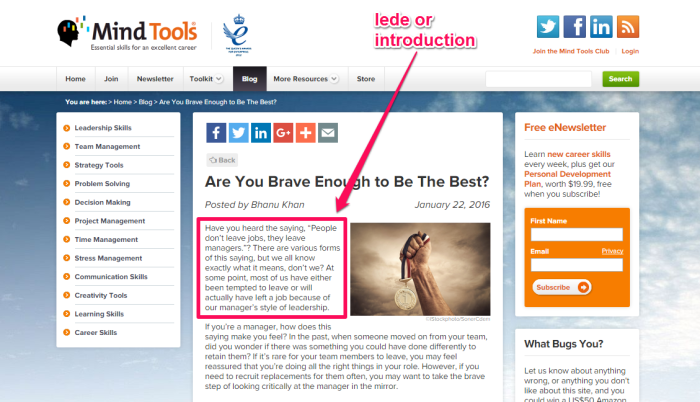
The Ultimate Guide to Writing Blog Post Introductions
5 Steps To Writing The Best Blog Introductions That Hook Readers

5 Steps To Writing The Best Blog Introductions That Hook Readers
10 B2B Blog Introductions That Won't Make Your Eyes Glaze Over

10 B2B Blog Introductions That Won't Make Your Eyes Glaze Over ...